
Introduction
Building a luxury villa is a significant investment, and every stage of the project contributes to its long-term value. While architectural design and premium materials often receive the most attention, villa quality control is what ultimately determines whether the finished home meets the highest standards of safety, durability, and craftsmanship.
Effective villa quality control ensures that construction is carried out according to approved drawings, engineering specifications, and local building regulations. Without a structured quality control process, even the most impressive villa designs can suffer from costly defects, delays, and maintenance issues.
What Is Villa Quality Control?
Villa quality control is a systematic process of monitoring, inspecting, and verifying every stage of a villa construction project to ensure that all work complies with engineering standards, approved designs, and project specifications.
Quality control begins before construction starts and continues until the final handover. It covers structural work, finishing materials, mechanical and electrical systems, waterproofing, insulation, and overall workmanship.
By implementing a comprehensive quality control plan, homeowners and developers can significantly reduce construction risks and ensure that every detail meets the expected level of quality.
Why Villa Quality Control Matters
A well-planned villa quality control process provides numerous benefits throughout the construction journey.
First, it helps identify construction issues before they become expensive problems. Detecting errors during the early stages is far more cost-effective than repairing completed work.
Second, villa quality control ensures that all materials used on-site meet the project’s technical specifications. This protects the structural integrity of the villa and extends its lifespan.
Finally, quality control helps maintain project schedules by reducing delays caused by rework and failed inspections.
Key Stages of Villa Quality Control
A successful villa quality control process includes inspections throughout every construction phase.
Foundation and Structural Works
The first stage focuses on verifying excavation, foundations, reinforcement, concrete quality, and structural elements. These inspections ensure that the villa has a safe and reliable structural framework.
Mechanical, Electrical, and Plumbing Systems
MEP systems are inspected to confirm that electrical wiring, plumbing installations, air-conditioning systems, and drainage networks comply with engineering standards and approved drawings.
Proper coordination between these systems prevents future maintenance issues and unnecessary modifications.
Waterproofing and Thermal Insulation
One of the most overlooked aspects of villa quality control is waterproofing and insulation.
Inspecting these systems during construction helps prevent water leakage, moisture damage, excessive heat gain, and high energy consumption after occupancy.
Interior and Exterior Finishes
Quality inspections continue during finishing works, including flooring, painting, ceilings, stone cladding, doors, windows, landscaping, and façade installation.
Attention to detail during this phase ensures that the completed villa reflects the desired level of luxury and craftsmanship.
Common Issues Prevented by Villa Quality Control
Professional villa quality control helps prevent many common construction defects, including:
- Structural cracks
- Poor waterproofing
- Uneven flooring
- Low-quality finishing
- Plumbing leaks
- Electrical installation errors
- Improper insulation
- Material substitution without approval
Identifying these issues early minimizes repair costs and protects the project’s overall quality.
The Role of Engineering Consultants
Experienced engineering consultants play a critical role in villa quality control by conducting regular site inspections, reviewing contractor performance, and ensuring compliance with Municipality regulations and engineering standards.
They coordinate between architects, structural engineers, contractors, and suppliers to maintain consistent quality throughout the project.
Their expertise helps homeowners avoid costly mistakes while ensuring that construction progresses according to schedule and approved specifications.
Best Practices for Effective Villa Quality Control
To achieve the highest construction standards, homeowners should:
- Hire a qualified engineering consultancy.
- Schedule regular site inspections.
- Verify all construction materials before installation.
- Ensure compliance with approved drawings.
- Maintain detailed inspection reports.
- Address issues immediately before work progresses.
These practices significantly improve construction quality and reduce long-term maintenance costs.
About Kayan Engineering Consultancy
Kayan Engineering Consultancy is one of Dubai’s leading engineering firms specializing in luxury villa design, engineering consultancy, construction supervision, and villa quality control. Recognized with a 5-star rating by Dubai Municipality, Kayan delivers comprehensive engineering solutions that ensure every villa is built to the highest standards of quality, safety, and performance.
From design review and Municipality approvals to on-site inspections and project supervision, Kayan’s multidisciplinary team provides end-to-end support throughout the construction journey. By combining technical expertise, innovation, and meticulous quality control, Kayan helps homeowners and developers create exceptional villas that stand the test of time.
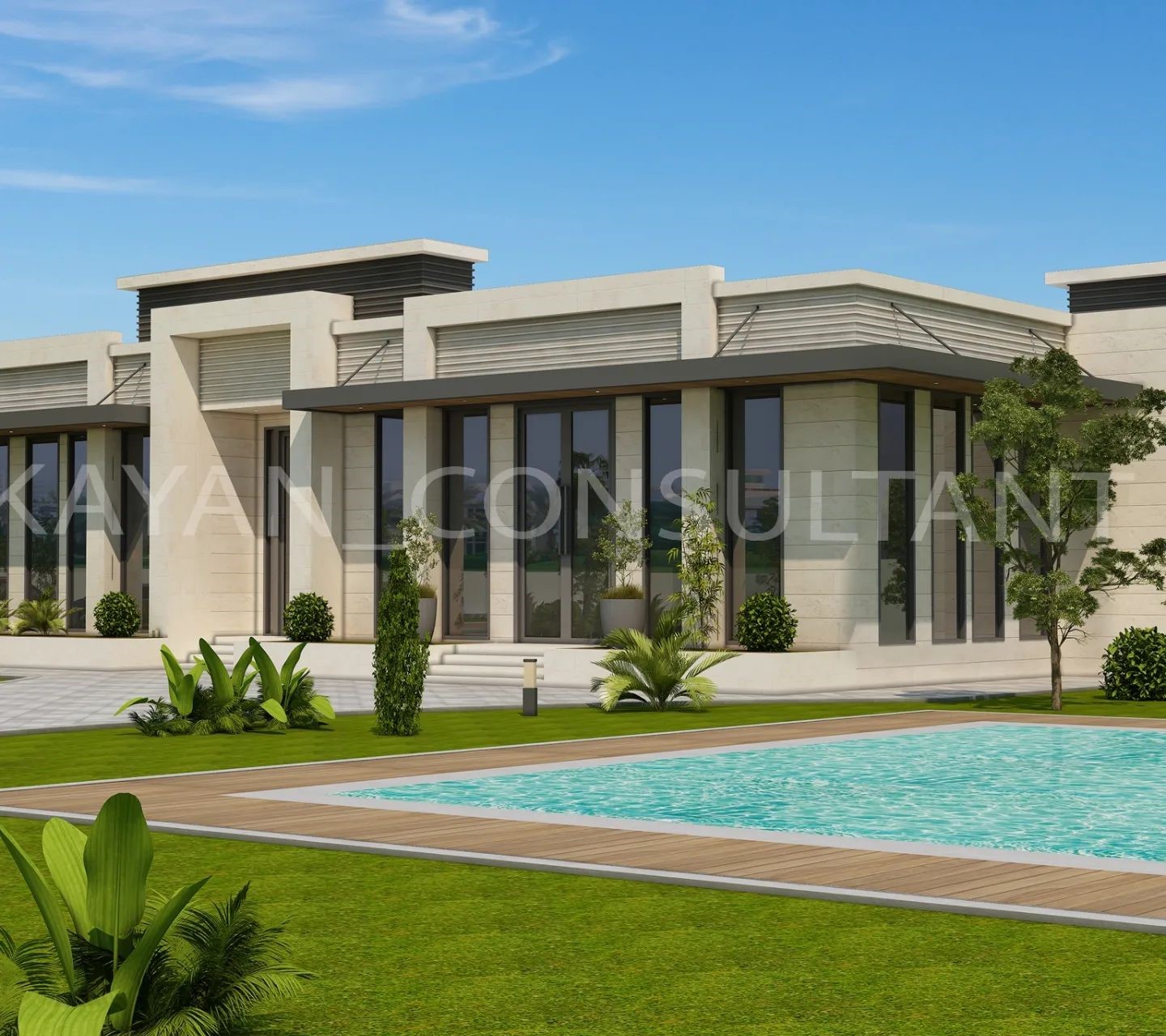
- Kayan Engineering Consultants is the best engineering consulting office in the UAE.